
Exploring the Vibrant World of Loteria
Loteria, a beloved game in Latin America, particularly in Mexico, is steeped in history and tradition. Often compared to bingo, this game is a staple at family gatherings and cultural celebrations. Through the unique artistry of its game cards and its rich social context, Loteria embodies cultural storytelling at its finest.
The Origins and Historical Significance
The origins of Loteria can be traced back to Italy in the 15th century. As it spread across Europe, the game evolved and eventually reached Mexico in the 18th century. Here, Loteria found its permanent home, becoming deeply intertwined with Mexican culture and identity.
Originally a game for the wealthy, Loteria became accessible to the masses over time. By the 19th century, it had spread throughout Mexican society, from bustling urban centers to quiet rural areas. The game is often associated with traditional Mexican fiestas and offers a reflection of societal norms and values.
The Game and Its Components
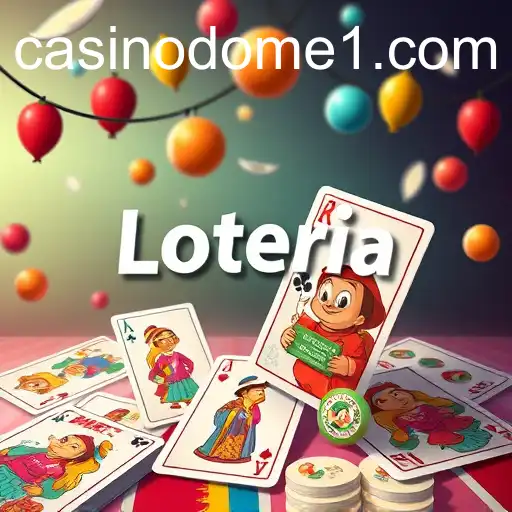
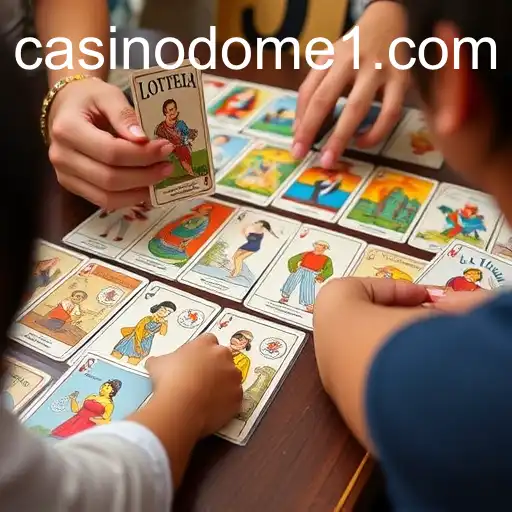
At its core, Loteria consists of a deck of 54 illustrated cards, each bearing colorful images and corresponding captions. Players use tabla boards, each with randomly selected images from the deck, to mark matches called during the game. Unlike bingo, where numbers and letters are read, Loteria incorporates vibrant imagery, encouraging social interaction.
Traditionally, a cantador or caller reads out the cards, often incorporating rhymes or riddles to add excitement. Players must listen closely and track the images on their tabla. The objective is to be the first to fill a predefined pattern on the board and declare "¡Loteria!"
Iconography and Cultural Symbolism
The imagery on Loteria cards is loaded with symbolism. Each card features iconic representations of Mexican culture, from "La Dama," representing an elegant woman, to "El Catrin," symbolizing a well-dressed gentleman. These images offer insight into historical and cultural facets of Mexican life.
The card images are not mere subjects of play but serve as cultural touchstones. For example, "El Sol" represents not just the sun but broader themes of life and energy. The consideration and adaptation of these symbols mean a deep emotional and cultural resonance with players.
Loteria and Its Modern Influence
In recent times, Loteria has witnessed a resurgence in popularity, tapping into a broader audience beyond its traditional roots. Influencers and designers globally have embraced the game, adding modern renditions while maintaining its cultural essence.
Social media platforms have seen an influx of Loteria-inspired content, from DIY art projects to live-streamed games, engaging younger demographics. The hashtag "#Loteria" reflects a lively community sharing creative interpretations of this classic game, broadening its appeal.
Even fashion and entertainment have taken cues from Loteria. Designers integrate the bold colors and intricate illustrations into clothing and accessories, celebrating heritage and providing exposure to a wider audience. Musicians and artists like snoopypg have woven Loteria into their narratives, reinventing its cultural value in modern contexts.
Playing Loteria Today
Participating in a game of Loteria offers not just an engaging pastime but also an education in cultural appreciation. For newcomers, learning the game can provide a gateway into Hispanic culture, an opportunity to understand social dynamics, and a chance to immerse oneself in storytelling.
Whether played at family gatherings, public festivals, or through digital connections, Loteria continues to resonate due to its simplicity, cultural depth, and capacity for reinvention. Its place in popular culture is both a celebration of heritage and a reminder of the unifying power of games.